Context
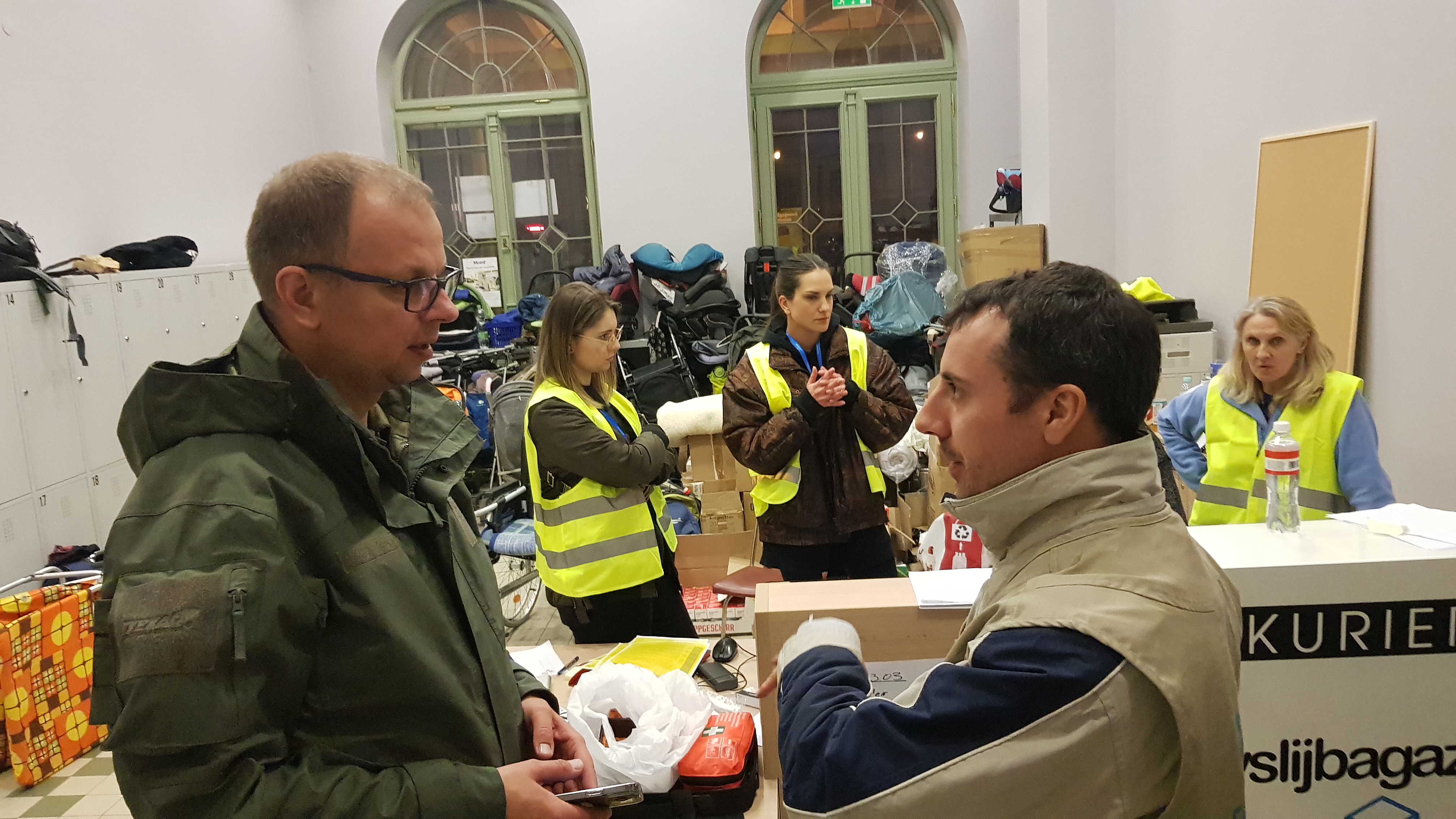
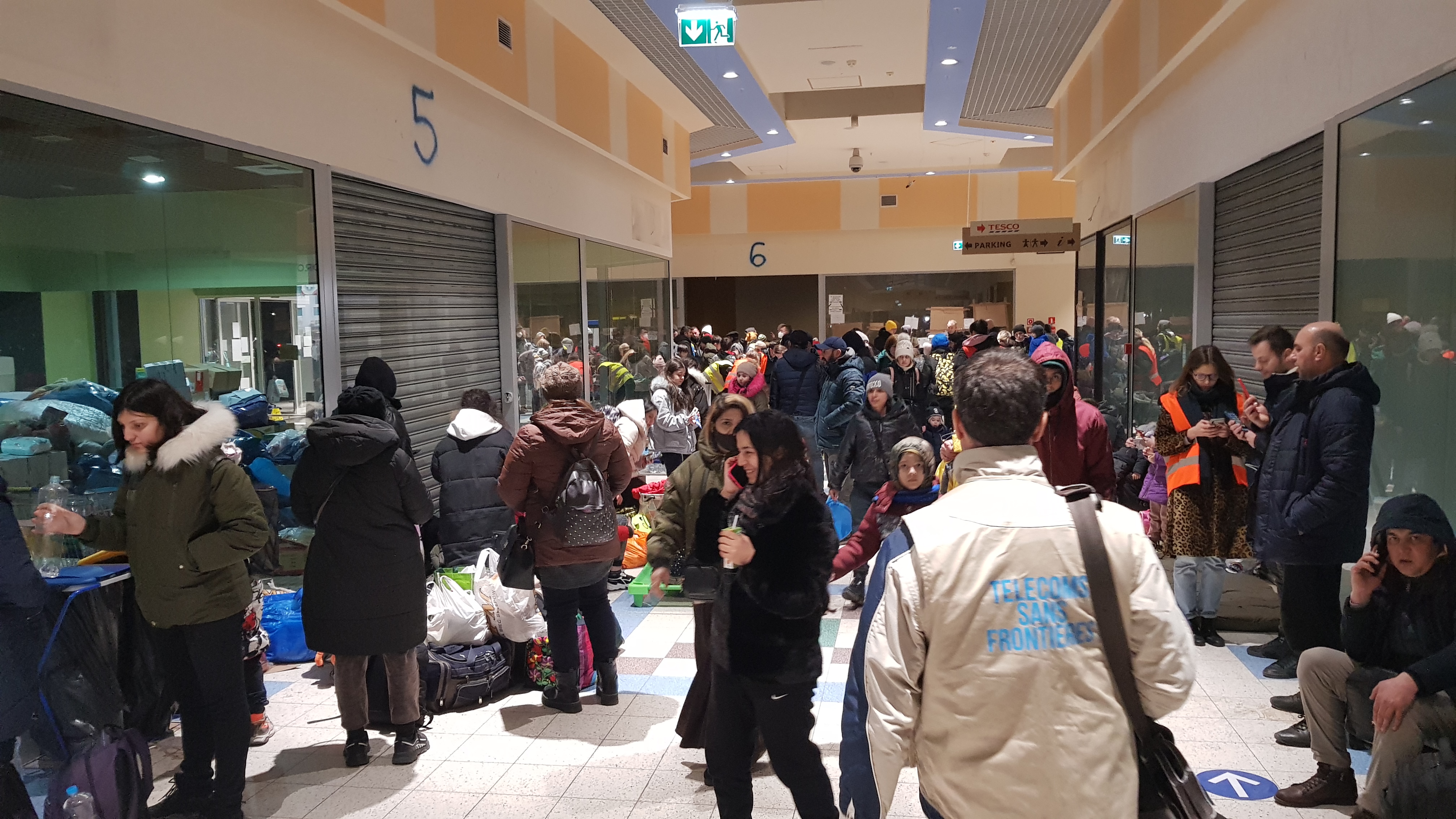
In response to the war in Ukraine, a TSF team reached Ukraine’s neighboring countries on 28 February 2022. Since the beginning of the conflict in 2022, an estimated 6.9 million people have fled Ukraine as refugees, while around 3.7 million remain internally displaced within the country according to UNHCR.
TSF's response
Since February 2022, TSF has been addressing the needs in connectivity and access to information of internally displaced persons in Ukraine, as well as refugees in neighboring countries. In March 2024, TSF ended its access to information project in Poland after two years of providing guidance and support to refugees. To respond to the connectivity needs of displaced people in Ukraine, TSF has created a Ukrainian legal organization, the TSF Charity Fund.
Ukraine: connectivity for displaced people
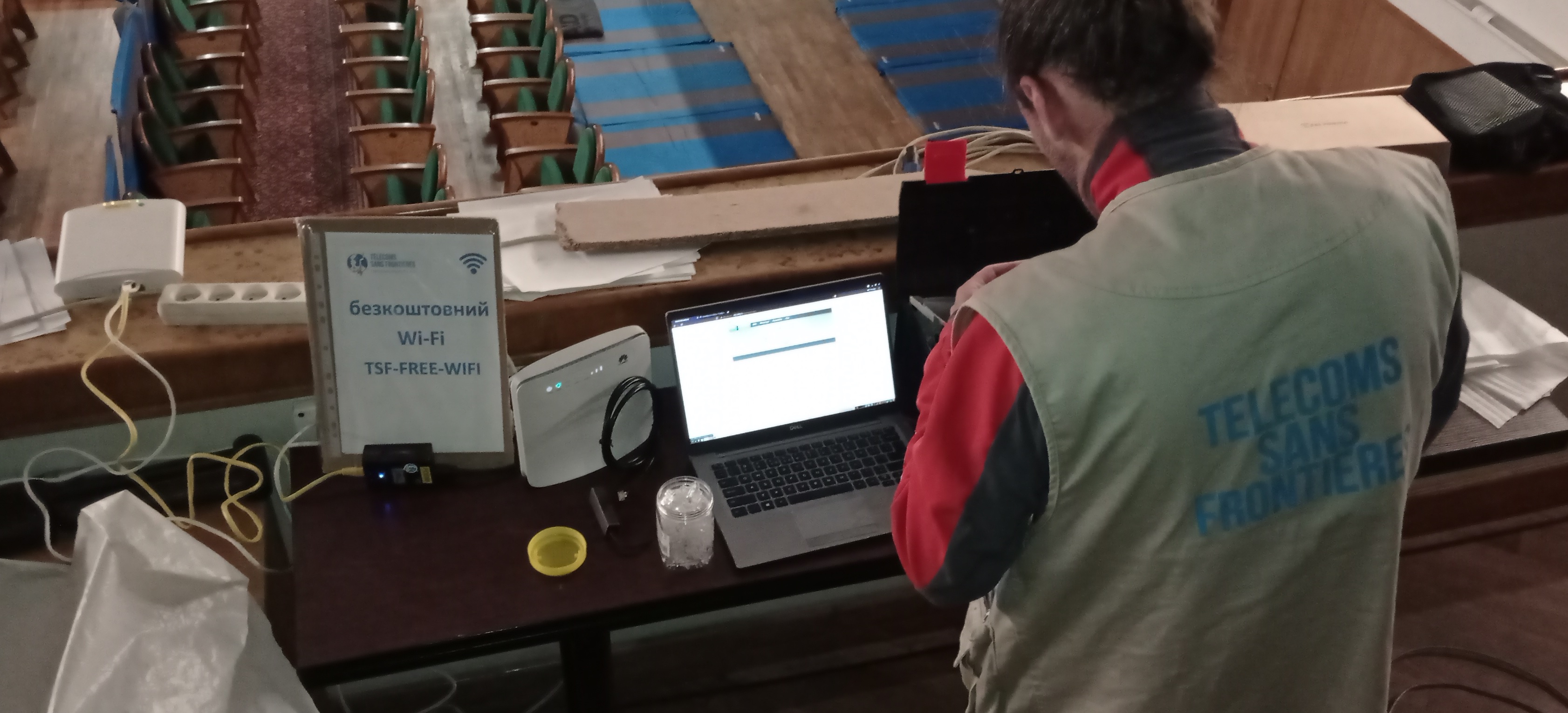
TSF provides Wi-Fi coverage in 9 collective centers for Internally Displaced People (IDPs) in Vinnytsia, Dnipro, Chernivsti and Lviv. This connectivity allows between 150 and 250 IDPs in each center to remain in contact with their families and look for relevant information online. Moreover, in this kind of situation, internet connectivity reduces the psycho-social impact of the war by giving access to remote education and ressources, work, fosters family links continuity, enables access to relevant information and digital administrative services.
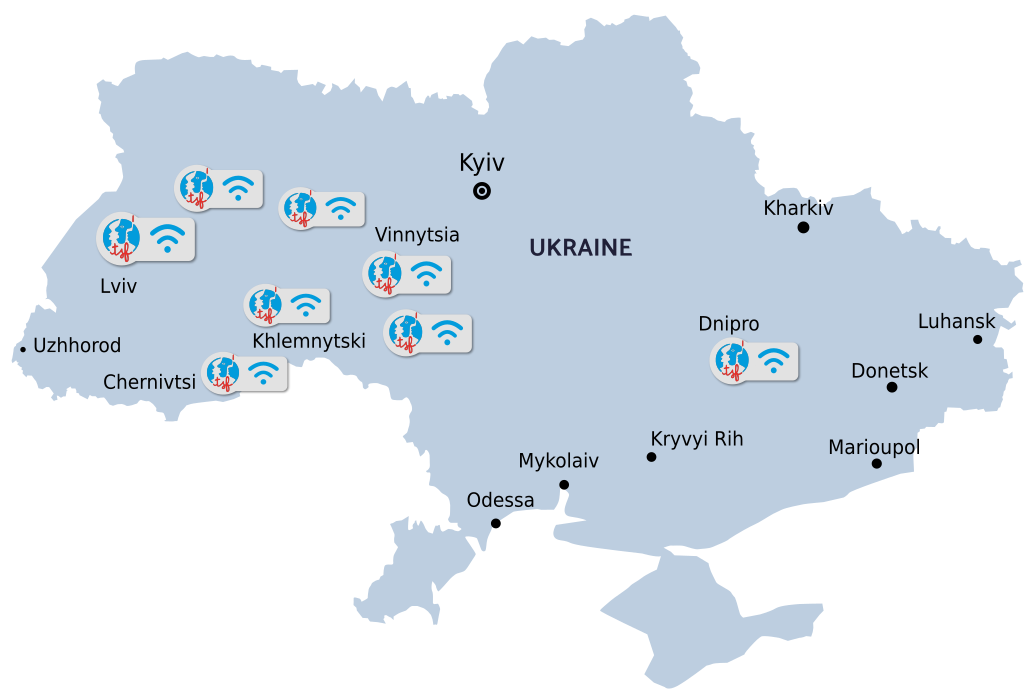
Ukraine: connectivity support for humanitarian organizations (February 2022 - December 2024)
Within Ukraine, TSF started its support by providing emergency telecom equipment to the organizations contributing to the humanitarian response. As the shelling on power infrastructures intensified in the last month of 2022, power outages were more frequent, broader and longer. Therefore, the communication networks were down more often. Consequently, a number of organizations asked for advice to TSF on emergency connectivity in this context. Depending on the needs of the organization, TSF provided satellite lines and / or satellite connectivity to different NGOs such as Alima, HALO Trust, Moto Help, AICM. Training sessions on the use of satellite equipment to MSF-France in Mykolaiv were also conducted.
Poland: providing essential information to refugees (June 2022-March 2024)
Poland is the second European country receiving the highest number of refugees from Ukraine (over 1,4M according to the United Nations estimates). Refugees arriving in a new country, after leaving their homes and families often on short notice, often lack the necessary information either to start a new life in the new country, or to move to their final destinations.
To meet this need, TSF started an information distribution project to provide them with essential, tailored information to help them stay safe and make the most informed decisions for their future. In collaboration with the United Nations Agency for Refugees (UNHCR) and the United Nations Children's Fund (UNICEF), TSF is installing informative screens in different reception sites for refugees in Poland. The information displayed is gathered from trustful sources and covers different topics relevant to refugees, including self-care advice, international protection, legal advice, support provided by institutions, among others. In each center, the information displayed will be adapted to the location and the needs of the assisted populations. More than 6,000 Ukrainian refugees visit these centers every month.
Moldova and Romania: connecting refugees on a bus convoy (March-December 2022)
Once they cross the border with one of Ukraine's neighbouring countries, the refugees look either for a specific destination or just for a safe place to temporarily seek refuge. This unstable situation is unfortunately conducive to the development of illegal networks that can put refugees, especially women and children, in danger.
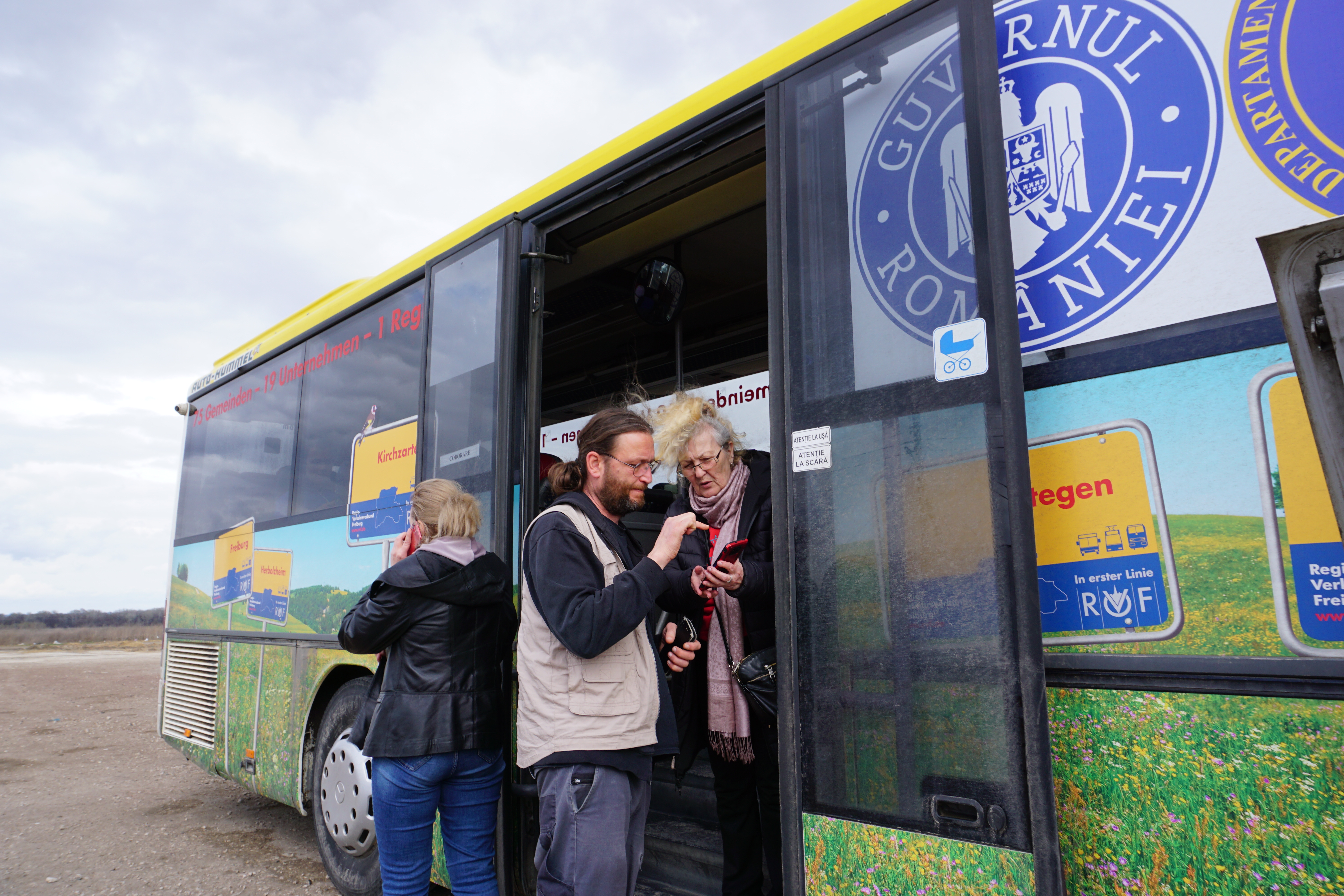
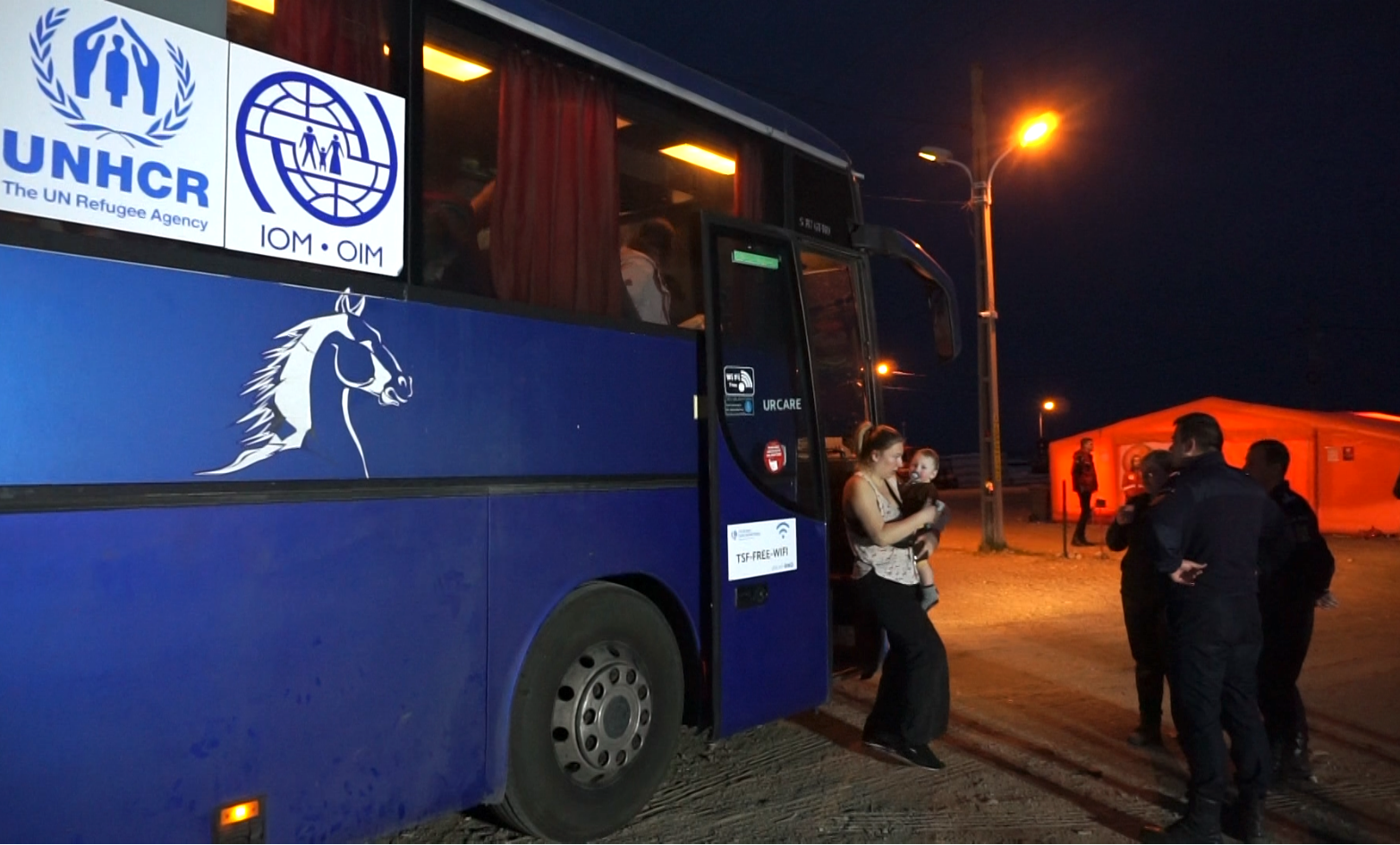
In Palanca, in the south of Moldova, the International Organisation for Migration (IOM) and the UN agency for refugees (UNHCR), in partnership with the Moldovan and Romanian civil protection, set up a daily bus convoy in order to safely bring refugees to Romania. This trip lasts between 10 and 16 hours. For people who have left their home and family members in Ukraine, it's a long waiting period after stressful and trying days. During the trip, the concern about their loved ones in Ukraine and the anxiety for the next steps of their forced and difficult journey can overwhelm them.
TSF installed a Wi-Fi connection on all the buses of the convoy, and allows the passengers to contact their relatives remained in Ukraine through instant messaging apps or social media. It's also allowing them to look for essential information for the next steps of their journey, thus reducing their level of stress.
The refugees can decide to stop in Iasi or Bucharest. At the station in Bucharest a reception centre has been put in place for the people fleeing Ukraine, in order to direct them to a new journey or to a emergency shelter set up by the Romanian civil protection.
The project started in March 2022. The influx of refugees from Ukraine in Palanca has been decreasing since May 2022. As of September 2022, only a few buses out of the 18 connected by TSF are still transporting refugees from Palanca to Iasi or Bucharest. However, TSF is ready to adapt the number of connected buses depending on the situation at the border.


